
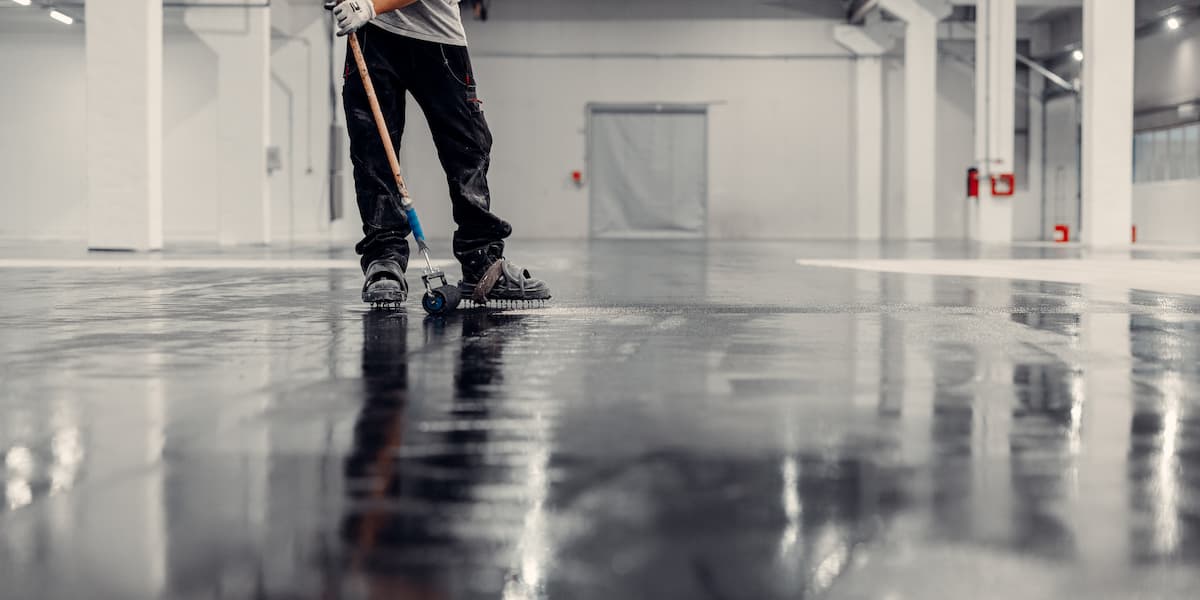
How to clean rubber flooring is a common question when a commercial environment gets loud and rubber flooring becomes a a smart choice. This highly cost-effective and sound dampening material is tough and resilient. Rubber flooring delivers reliable grip even when damp. But if not cleaned properly, it can perpetuate “fermented fitness funk.” This unpleasant odor smells like the inside of a well-worn sneaker from 1998. Don’t let the funk mess with your customers! Follow this guide and get a grip on the best practices. Cleaning professionals use these methods to keep facilities safe, sanitary, and smelling sweet. Whether you need to know how to clean gym floors or maintain industrial rubber surfaces, this guide covers everything you need.
Common Applications and Benefits of Rubber Flooring
Fitness and Athletic Facilities
Rubber flooring is commonly found in fitness centers, gyms, dance studios and workout rooms. As natural impact and shock absorbers, these floors protect both the structure and the people using it. Installing free-weight stations and strength training equipment over rubber flooring is smart for business. The springy cushioning reduces muscle fatigue and minimizes the risk of injury. It simultaneously protects the building from the pounding punishment of heavy weights slamming down.
Healthcare and Food Service Applications
It’s also naturally slip resistant. This comes in handy when sweat starts during a workout. But it’s also beneficial in urgent care facilities, surgery suites, hospitals, and dental practices. Sweat and other bodily fluids are expected in those environments. Choosing rubber flooring is an important safety factor for preventing slips and falls. Food service providers commonly use rubber mats, especially where liquids might spill during food prep.
Electrical Insulation and Static Control
Rubber is also an excellent insulator. Because it resists the flow of electricity, it provides important safety protection. If a treadmill or elliptical machine malfunctions, a person on the mat stays isolated from shock. Rubber floors are ideal for server rooms or electronics manufacturing facilities. Electro-static discharge is an additional concern in these environments.
Types of Rubber Flooring Materials
Don’t confuse rubber with vinyl, linoleum or resin flooring types. Rubber flooring comes in several different forms including rolled sheets, interlocking tiles, and free-floating mats. It may use natural rubber harvested from a rubber plant. It may use synthetic rubber derived from petrochemicals. Sometimes it’s a combination of both. While plant-derived rubber differs chemically from synthetic, the cleaning protocols remain generally the same.
Not to be confused with vinyl, linoleum or resin flooring which are also commonly used for similar applications, rubber flooring comes in several different forms.
Special Considerations for ESD Flooring
There can be differences in what the rubber flooring is trying to achieve. This can modify the physical installation and affect how you clean it. Standard rubber mats will insulate against shock. But specially engineered electrostatic discharge resistant or ESD-rated grounding rubber is preferred for high-tech environments. These systems drain static build up and disperse it in a controlled manner. Rubber grounding floor systems require attachment to strips or wires that safely channel unwanted charge away. If you’re responsible for cleaning these surfaces, keep something in mind. The underflooring is unlike a traditional cement, concrete or plywood sub-floor. Use care as the connection points are highly susceptible to moisture and misalignment.
The underflooring differs from traditional cement, concrete or plywood sub-floors because of the grounding elements that require careful moisture management.
How to Clean Rubber Flooring the Right Way
The Damp Mop Technique
What is the basic protocol for cleaning rubber floors? Never use a wet-mop method. The damp mop technique is absolutely critical to master with rubber floors. Mix your preferred cleaning agent with water as indicated by the manufacturer. Dunk your mop into the solution and wring it out thoroughly. If unsure you’ve squeezed out enough water, wring it out again. The key is to have a mop head that is just barely moist. If water is still dripping from the mop head, there’s too much water. Try another squeeze with the wringer. Any liquid can seep through the seams and damage the subfloor or weaken the adhesives. Since the mop head dries faster, some people find this process annoying. They’ll use a wetter mop to reduce trips back to the bucket. Don’t be tempted by this shortcut. Prolonged moisture exposure causes unpleasant odors, defeating the purpose of cleaning.
Choosing the Right Cleaning Agents
Which cleaning agents work best? Always start with mild soap or pH-neutral products. Even basic dish soap and water neutralize routine dirt and grime in most cases. Avoid steel wool, abrasive mop heads, and firm scouring pads, even when stains are present. Microfiber mop heads work even better as they trap dust and dirt more effectively. While some products claim streak-free results, remember to dump the cleaning solution water. Go over the surface again with a fresh water damp mop rinse. While it may seem tedious, removing the residue prevents waxy build up. This will eventually change the appearance of the floor and cause rubber to degrade more quickly.
Deep Cleaning Rubber Floors: Less is More
When Deep Cleaning is Necessary
When oils and stains build up, you may search for a more robust cleaning protocol. Typical deep cleaning protocols like steam cleaning and buffing should be avoided as much as possible. They can be considered when the situation demands it. Why? In most cases there is high risk of premature degradation of the soft, pliable surface. The specialty installation hardware used for such flooring is also at risk. You can technically do deep cleaning as frequently as you want. The tradeoff is that the flooring will have to be replaced entirely much sooner.
When oils and stains build up, you may find yourself searching for a more robust cleaning protocol for a deeper clean.
Safe Deep Cleaning Protocols
What deep cleaning protocols are safe? Technically, every deep cleaning protocol may actually harm the flooring. Wait as long as possible and then execute it perfectly when needed. If you opt for steam cleaning with extraction, use a moderate temperature not high heat. Be thorough with the extraction part of the process. When in doubt, do a secondary round of extraction to pick up extra moisture. As with the damp mop phase, take care not to oversaturate. Be extra sure to deploy fans to provide ample airflow while drying. In areas with high humidity, allow for extended downtime for drying. With proper cleaning and extraction, the dry time should be about 4 hours. If it is consistently longer, you are using too much water.
How to Clean Gym Floors With Power Equipment
A power scrubber or buffing tool might seem like a better solution. It may be appropriate in some cases. But be certain to use extreme caution. Rubber flooring is brutal on such power equipment. Rubber’s anti-slip properties are one of the key benefits. But this also creates a high level of friction when used with a buffer or auto-scrubber. This strains and damages the motor of your high-powered equipment over time. If you decide to buff or scrub anyway, standard brushes can mar the surface. Use specialized nylon brushes, light-duty red pads or the even more gentle white polishing pads instead. A blue pad for moderate duty may be used occasionally. But only use it when you absolutely have to. Think of rubber flooring like a room-sized eraser. Forceful rubbing wears away the surface. Avoid using black, brown and green pads which are designed for aggressive scrubbing. Never use burnishing pads or techniques. Their high speeds will quickly wear through the flooring surface. Unlike vinyl, rubber flooring does not have a protective finish layer. You need to use gentler options than would apply on other commercial floors.
Where the Rubber Meets the Road
The secret to maintaining rubber flooring isn’t about aggressive cleaning. It’s about consistent, gentle care. By understanding rubber’s unique vulnerabilities to moisture penetration, chemical damage, and surface abrasion, facility managers can avoid common pitfalls. When you know how to clean rubber flooring correctly, you can preserve performance and investment. The damp mop technique, pH-neutral cleaners, and strategic restraint with deep cleaning methods all help. Remember that every cleaning decision is a trade-off between immediate cleanliness and long-term durability. Whether you’re learning how to clean gym floors or maintaining industrial rubber surfaces, choose wisely and clean gently. Your rubber flooring will continue delivering the shock absorption, slip resistance, and sound dampening you need. Do it right and avoid the dreaded “fermented fitness funk.”
If you need professional help maintaining your rubber flooring, contact the experts at AK Building Services. Our experienced team understands the unique care requirements of rubber surfaces. We can keep your facility looking its best.