
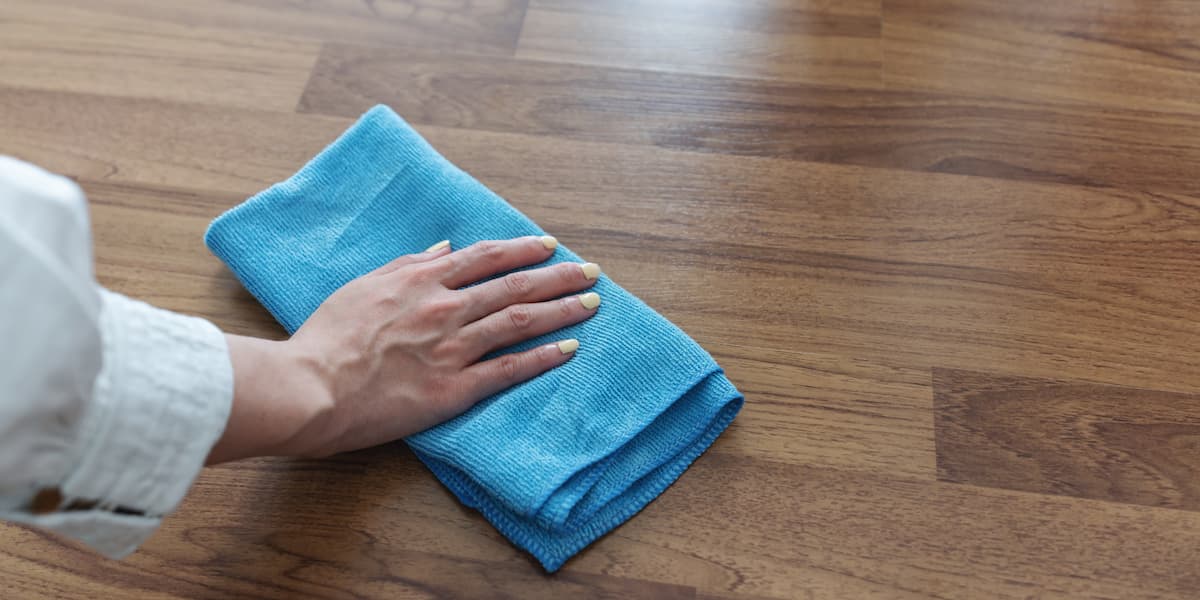
As businesses strive to create inviting environments for customers and employees alike, laminate flooring has become increasingly popular in commercial settings. Its durability, ease of installation, and wide range of designs make it an attractive option. Yet, many facilities managers struggle with how to clean laminate floors to maintain their pristine appearance. This article demystifies laminate floor care, outlining effective cleaning methods, common pitfalls to avoid, and useful tips that will keep your floors looking their best without damaging the protective finish for years to come.
Laminate Flooring: The Look and Feel of Hardwood without the High Price Tag
Laminate flooring has carved its niche in the world of commercial environments, providing the perfect blend of style and function. From office complexes to retail outlets, this flooring type appeals because it handles heavy foot traffic well. It also offers a wide variety of designs and styles. In residential facilities, condos, and apartments, laminate floors help homes feel warmer and more inviting. They are also versatile enough for quick repairs between tenancies.
Understanding Laminate’s Layered Construction
However, improper cleaning can lead to significant damage, undermining its visual appeal and longevity. This is why many property owners researching how to clean laminate floors are surprised to learn that laminate requires very different care than other flooring types. Unlike engineered or natural hardwood, laminate flooring is not made from solid materials. It consists of multiple layers designed to mimic the look of wood or stone. A high-density fiberboard core provides most of the floor’s thickness. Above it sits a photographic layer that creates the desired appearance. Everything is sealed with a protective wear layer on the surface. This layer protects the laminate from daily foot traffic and abrasion. If the wear layer becomes scratched or damaged, the flooring becomes vulnerable. Once compromised, the overall appearance will begin to deteriorate.
Improper cleaning can lead to significant damage, much like how natural stone floors require specialized care to prevent deterioration.
Why Moisture Management Matters
While some laminates have water-resistance, most are vulnerable to damage from excessive moisture exposure. Think of laminate flooring as though it were a sturdy magazine with a protective covering. If you can wipe down the protective layer, the surface will continue to look good as long as it stays intact. If water or other liquids pass through the barrier, the surface can warp and the lower layers may swell. Laminate flooring is more durable than paper, but the outcome is similar. When the protective layer remains intact, the rest of the flooring stays protected. Once compromised, the lower layers will swell and warp. For this reason, vinyl sheet or luxury vinyl tile may be a better option for areas exposed to frequent spills or moisture.
How and When to Clean Laminate Floors
As with other flooring types, how and when to clean laminate depends on how the space is being used and the amount of traffic that comes through. In most low traffic settings, especially private dwellings, a daily sweep or dry mop or quick pass with a vacuum should suffice. Choose soft-bristle brooms, microfiber mop heads and make sure to use a hard floor attachment if you elect to vacuum.
Daily Maintenance for High-Traffic Areas
If your laminate gets a lot of daily use, like in retail environments or waiting rooms, start by removing the dry dust and debris first and then consider using a spray bottle and a rag to touch up small spills or areas that may need a little extra work to look their best. For entryways that may welcome visitors that track in rain, mud or snow, be sure to install mats to do the heavy lifting and protect the floors from moisture intrusion.
Deep Cleaning Best Practices
Deep cleaning cycles also depend on how much and how frequent the traffic is, but in most cases should be done once every 1-2 months. Concentrate on high-traffic zones and areas with noticeable stains. While moisture levels need to be kept top of mind, the best cleaner for laminate floors is a damp, but not wet and dripping, mop with mild, pH-neutral cleaners designed specifically for laminate. Avoid harsh chemicals, including degreasers, which can destroy the finish. With laminate floors, the best cleaning is gentle cleaning.
The pros will also often use a soft cloth or towel for a final polish for a bit of extra shine.
Proper Mopping Technique
Using a well-wrung mop, gently clean the area and allow it to dry completely. Many cleaners claim to be residue free, but few actually deliver. If a haze or waxy buildup appears, add a quick rinse using clean water. Professionals often finish with a soft cloth or towel to boost shine. Too much moisture is the main enemy of laminate floors. The surface should dry fully within 15 to 20 minutes. If drying takes longer, the mop may be too wet or humidity too high. Turning on ceiling fans or increasing airflow can help speed drying. Take extra care near edges, baseboards, chair rails, and trim. These areas may hide gaps that allow moisture to seep underneath.
Avoid Steam and Most Power Cleaning Equipment on Laminate
The protective wear layer on standard laminate flooring is very thin, usually measuring between 0.2 and 0.6 millimeters. Higher-quality laminates may have wear layers of 0.7 millimeters or more, but they cost more. Performance also varies based on the Abrasion Criteria, known as the AC-rating. Ratings range from AC1 for light residential use to AC5 for heavy commercial traffic. Always start with the gentlest cleaning methods available. Not all facilities install flooring rated for their traffic levels. Some laminates also include textured surfaces, water resistant coatings, or moisture sealants for added durability.
Why Steam Cleaning Is Never Recommended
Never use steam cleaning with extraction or any encapsulation cleaning techniques on laminate floors. The risk is simply too great. One blast of steam or solvent on a poorly protected seam can compromise the layers especially on the light-duty alternatives. Installations commonly use adhesives, which can quickly loosen when saturated with steam or soften with high temperatures.
Never use steam cleaning with extraction or any encapsulation cleaning techniques on laminate floors.
When Power Equipment May Be Acceptable
Very high-quality laminate floors with commercial-level AC-ratings, however, may be able to handle gentle cleaning cycles with an auto-scrubber or buffer. Start by checking with the manufacturer, but if you are not sure it is safer to avoid using power equipment altogether. Using power cleaning equipment may void the warranty, leaving you with the cost of replacement. If permitted, opt for a buff with a soft pad—nothing more abrasive white or beige—specially designed for laminate floors and keep the settings on low. Even if there are stubborn discolorations, do not ramp up the speed. Even in the best laminate the protective layer is still no more than a millimeter thick.
What Never to Do with Laminate
A final word of caution: Some laminate floors—especially those with high AC-ratings—may be hard to distinguish from solid wood. Never sand a laminate floor or attempt to re-seal with traditional wood wax sealants or varnishes. Doing so will irreversibly damage your investment.
Laminate Durability Starts with Smart Cleaning
Laminate floors handle heavy foot traffic beautifully when cleaned correctly, but the longevity of it hinges on one critical factor: Protecting that thin wear layer from moisture and abrasion. When you know how to clean laminate floors properly and use the best cleaner for laminate floors—mild, pH-neutral solutions applied with a damp mop—your investment will last for years. Stick to the basics: Sweep or vacuum daily, spot clean spills, damp mop as needed, and keep water exposure minimal. Avoid harsh chemicals, abrasive treatments and skip the steam cleaning. A little preventative care today will save thousands in replacement costs tomorrow.
If you need professional guidance on maintaining your commercial laminate floors or want to discuss the best cleaning solutions for your facility, contact the experts at AK Building Services. Our team specializes in commercial floor care and can help you develop a maintenance plan that protects your investment.